Functional Usability Specialist · Los Angeles Functional Usability Specialist · LA
How a product feels to use is a different question from whether it works. 제품이 '어떻게 작동하는가'와 '어떤 경험을 남기는가'는 완전히 다른 차원의 문제입니다.
Most products are built around what the technology can do. I look at the other half: what a person's body, attention, and senses go through in the moment they actually use it — physical or digital. That gap is where I work. 대부분의 제품은 기술적 구현과 기능에 집중합니다. 하지만 저는 그 이면, 즉 물리적이거나 디지털 환경에서 사용자가 제품과 상호작용하는 순간 신체(Body), 주의력(Attention), 감각(Senses)이 겪는 실제 경험을 분석합니다. 기술과 인간 사이의 그 미세한 간극을 좁히는 것이 저의 역할입니다.
01 · Why It Matters 01 · 철학 및 가치
I read the moment of use, not just the spec sheet. 단순한 스펙(Spec)을 넘어, '사용하는 그 순간'의 맥락을 해독합니다.
Occupational science is the study of how people actually carry out the activities of daily life — physically, cognitively, and in context. I bring that lens to products: how a control, a screen, or a whole flow performs when a real person uses it, moment to moment. That question rarely sits in a product room. 작업과학(Occupational Science)은 인간이 일상적인 활동을 신체적, 인지적, 그리고 환경적 맥락 속에서 어떻게 수행하는지 탐구하는 학문입니다. 저는 이 고도의 임상적 관점을 제품의 사용성에 적용합니다. 화면의 버튼 하나, 전체적인 조작 흐름이 실제 사용자에게 매 순간 어떻게 작용하는지 분석하며, 이는 기존의 제품 개발 과정에서는 흔히 간과되는 깊이 있는 접근입니다.
What the body does. 신체가 겪는 경험.
Posture, effort, reach, repetition, endurance. Where sustained use quietly strains or tires a person over time — not in a demo, but on the hundredth use. 자세, 근력, 동선, 반복 횟수, 그리고 지구력. 단기적인 데모 환경에서는 드러나지 않지만, 수백 번의 반복적인 사용 속에서 서서히 누적되는 신체적 피로와 부담을 짚어냅니다.
What the mind has to process. 인지적 처리 과정.
The thinking a screen or control demands: how much attention, how many steps, how much is held in memory while doing something else. 인터페이스가 요구하는 사고의 과정. 특정 작업을 수행하기 위해 얼마나 많은 주의력을 할애하고, 몇 단계를 거쳐야 하며, 얼마나 많은 정보를 기억해야 하는지 그 인지적 과부하를 측정합니다.
What the environment asks. 환경적 맥락이 미치는 영향.
Touch feedback, sound, visibility, and the real setting of use: driving, cooking, tired, hands full, low light. 촉각적 피드백, 청각적 요소, 시인성을 비롯해 운전 중이거나, 피로도가 높을 때, 양손이 자유롭지 않거나 조도가 낮은 곳 등 통제되지 않은 실제 일상 속에서의 사용성을 진단합니다.
02 · What I Do 02 · 전문 영역
A read on the experience of use — what works, what doesn't, and who it's for. 사용 경험의 심층 진단 — 무엇이 직관적이고, 무엇이 마찰을 일으키며, 누구에게 최적화되어 있는지 분석합니다.
I don't evaluate the core technology. I evaluate the experience of using it. This can come in early, while an idea is forming, or later, when a product is being refined. 저는 제품의 핵심 기술 자체를 평가하지 않습니다. 그 기술을 '경험하는 방식'을 진단합니다. 아이디어가 구상되는 초기 기획부터 제품을 정교하게 다듬는 후반 고도화 단계까지, 개발의 모든 여정에 유연하게 결합합니다.
I find what already works. 탁월한 경험의 이유를 분석합니다.
This isn't fault-finding. Well-made products get a lot right. I name why something feels effortless and obvious — no manual, no learning curve — so the team knows what to protect. 단순히 결함을 찾는 작업이 아닙니다. 완성도 높은 제품은 이미 많은 부분이 훌륭하게 설계되어 있습니다. 별도의 설명서나 학습 과정 없이도 자연스럽고 명확하게 조작할 수 있는 이유를 분석하여, 팀이 반드시 보호해야 할 핵심 가치를 제시합니다.
A control you reach for without looking, and it's simply there. Nobody notices it — which is exactly the sign it works. 시선을 돌리지 않고 손을 뻗어도 자연스럽게 닿는 조작부. 사용자가 그 존재조차 의식하지 못한다면, 그것이 바로 가장 완벽하게 작동한다는 증거입니다.
An app whose first screen is understood in one glance — no onboarding tour needed. The design already speaks the user's expectations. 별도의 온보딩(Onboarding) 투어 없이도 첫 화면을 직관적으로 이해할 수 있는 앱. 디자인 자체가 사용자의 기대치를 이미 완벽하게 반영하고 있는 상태입니다.
I locate the friction. 보이지 않는 경험의 마찰점을 찾습니다.
The small costs that don't show in a demo but accumulate with real use — physical strain over time, or the mental toll of a flow that asks a little too much, a little too often. 단기적인 테스트에서는 드러나지 않지만 실제 일상에서 누적되는 작은 비용들. 시간이 지나며 가중되는 신체적 부담이나, 잦은 빈도로 과도한 반응을 요구하여 쌓이는 인지적 피로감을 찾아냅니다.
A control that must be held down the whole time it runs. Fine for thirty seconds, quietly exhausting across a full task, repeated daily. 작동하는 동안 계속해서 누르고 있어야 하는 조작부. 30초의 데모에서는 문제없지만, 매일 반복되는 긴 작업 속에서는 사용자를 소리 없이 지치게 만듭니다.
A task that takes three taps every time. Barely noticeable once — but done dozens of times a day, it's a real, measurable drain. 매번 세 번의 탭(Tap)을 요구하는 동작. 한 번은 사소할지 몰라도, 하루에 수십 번 반복되면 실질적인 인지적, 신체적 피로도로 누적됩니다.
I map who it fits. 사용자 적합성을 매핑(Mapping)합니다.
A product works differently by age, experience, culture, and setting. What's intuitive to a young designer can be a puzzle to a first-time or older user. I map who it serves, who it leaves out, and when it shines. 동일한 제품도 연령, 경험치, 문화적 배경, 사용 환경에 따라 완전히 다르게 작동합니다. 젊은 디자이너에게는 직관적인 요소가 고령의 사용자나 초심자에게는 장벽이 될 수 있습니다. 제품이 누구에게 가장 유용하고, 누구를 소외시키는지 정교하게 매핑합니다.
An unlabeled icon that's obvious to someone who grew up with smartphones, and a dead end for a user meeting it for the first time. 스마트폰 네이티브 세대에게는 직관적인 텍스트 없는 아이콘이, 디지털 환경이 낯선 사용자에게는 넘을 수 없는 진입장벽이 되기도 합니다.
A gesture or metaphor that's instant in one market and needs learning in another — same design, very different experience. 특정 시장에서는 자연스러운 제스처나 은유(Metaphor)가 다른 시장에서는 별도의 학습을 요구합니다. 동일한 디자인이라도 경험의 질은 완전히 달라질 수 있습니다.
I read the cognitive load. 인지적 부하(Cognitive Load)를 해독합니다.
How much a person has to think, remember, and decide to get through a task — and whether the design carries that weight for them or hands it over. Often invisible until it quietly overwhelms. 하나의 태스크를 완수하기 위해 사용자가 얼마나 사고하고, 기억하고, 결정해야 하는지 분석합니다. 디자인이 그 무게를 덜어주는지, 사용자에게 전가하는지 평가합니다. 이는 사용자를 완전히 압도하기 전까지는 수면 위로 잘 드러나지 않습니다.
A flat panel with no feedback: "did it register?" With nothing to confirm the action, the user has to hold the uncertainty themselves. 아무런 햅틱(Haptic)이나 시청각 피드백이 없는 평면 패널. 작동 여부를 확신할 수 없을 때, 그 불확실성(Uncertainty)의 무게는 오롯이 사용자가 떠안게 됩니다.
Twelve options on one screen. Every choice competes for attention, and the user pays for it in decision fatigue before they even start. 한 화면에 나열된 수많은 선택지. 모든 요소가 주의력을 끌기 위해 경쟁하며, 사용자는 작업을 시작하기도 전에 '결정 피로(Decision Fatigue)'를 겪습니다.
My Method 분석 방법론
I don't measure usability. I interpret what the use means. 단순한 사용성 측정을 넘어, 행위 이면의 본질을 해석(Interpret)합니다.
This is what sets an occupational science lens apart from human factors or ergonomics. They measure the interface. I interpret what it means for the task a person is actually trying to finish. It's also a different lens from UX Research: UX reads digital interaction patterns and user journeys on a screen. I read what a product — physical or digital — asks of the body and mind in the moment of use. Digital is one surface I look at, not the center of it. 이것이 작업과학(Occupational Science)이 인간공학(Ergonomics)이나 UX 리서치와 구별되는 독보적인 지점입니다. 인간공학이 인터페이스의 물리적 수치를 측정하고 UX가 화면상의 여정을 분석할 때, 저는 사용자가 특정 목적을 달성하려는 실제 순간에 제품(물리적 혹은 디지털)이 신체와 인지에 무엇을 요구하는지를 입체적으로 읽어냅니다. 디지털 화면은 제가 분석하는 수많은 경험의 표면 중 하나일 뿐입니다.
An everyday action is never one motion. I break it into the actual sequence a person moves through, so nothing gets hidden inside the word "use." 일상의 모든 동작은 결코 단일하지 않습니다. 사용자가 실제로 거치는 행위의 흐름을 촘촘한 단위로 분해하여, '사용'이라는 모호한 단어 속에 가려진 미세한 진실들을 수면 위로 끌어올립니다.
At every step I read what it asks of the body, the mind, and the senses — where effort, attention, or strain quietly accumulates. 분해된 각 단계에서 신체와 인지, 감각에 요구되는 자원을 해독합니다. 어디에서 불필요한 노력과 주의력이 낭비되고, 피로가 조용히 축적되는지 짚어냅니다.
A number alone isn't an answer. I interpret what the demand means for the real goal: does it support the task, or quietly work against it? 단순한 데이터와 수치만으로는 정답을 도출할 수 없습니다. 진단된 부하가 사용자의 최종 목적 달성을 유기적으로 돕고 있는지, 아니면 무의식적으로 방해하고 있는지 깊이 있게 해석합니다.
A design detail that's crucial for some is almost always better for all. The control you can find without looking helps the driver with their eyes on the road, and everyone reaching for it in the dark. This isn't an accommodation mindset. It's a quality one. 소수를 위해 필수적인(Crucial) 디자인 디테일은, 대개 모두를 위한 더 탁월한(Better) 경험이 됩니다. 시야를 돌리지 않고도 찾을 수 있는 직관적인 조작부는 전방을 주시해야 하는 운전자뿐만 아니라, 어두운 방에서 스위치를 찾는 모든 이에게 평온함을 제공합니다. 이는 단순한 '배려'의 차원이 아닌, 제품 자체의 '프리미엄 퀄리티'를 결정짓는 일입니다.
03 · Collaboration 03 · 협업 제안
Ways we could work together. 함께할 수 있는 비즈니스 시너지.
At any stage모든 제품 개발 주기에서
Alongside teams like협업 파트너 부서
From startups to established makers다양한 규모의 기업 파트너십
04 · About 04 · 대표 소개
14 years at the intersection of bodies, environments, and tools. 신체, 환경, 그리고 도구가 교차하는 접점에서 축적해 온 14년의 임상 전문성.
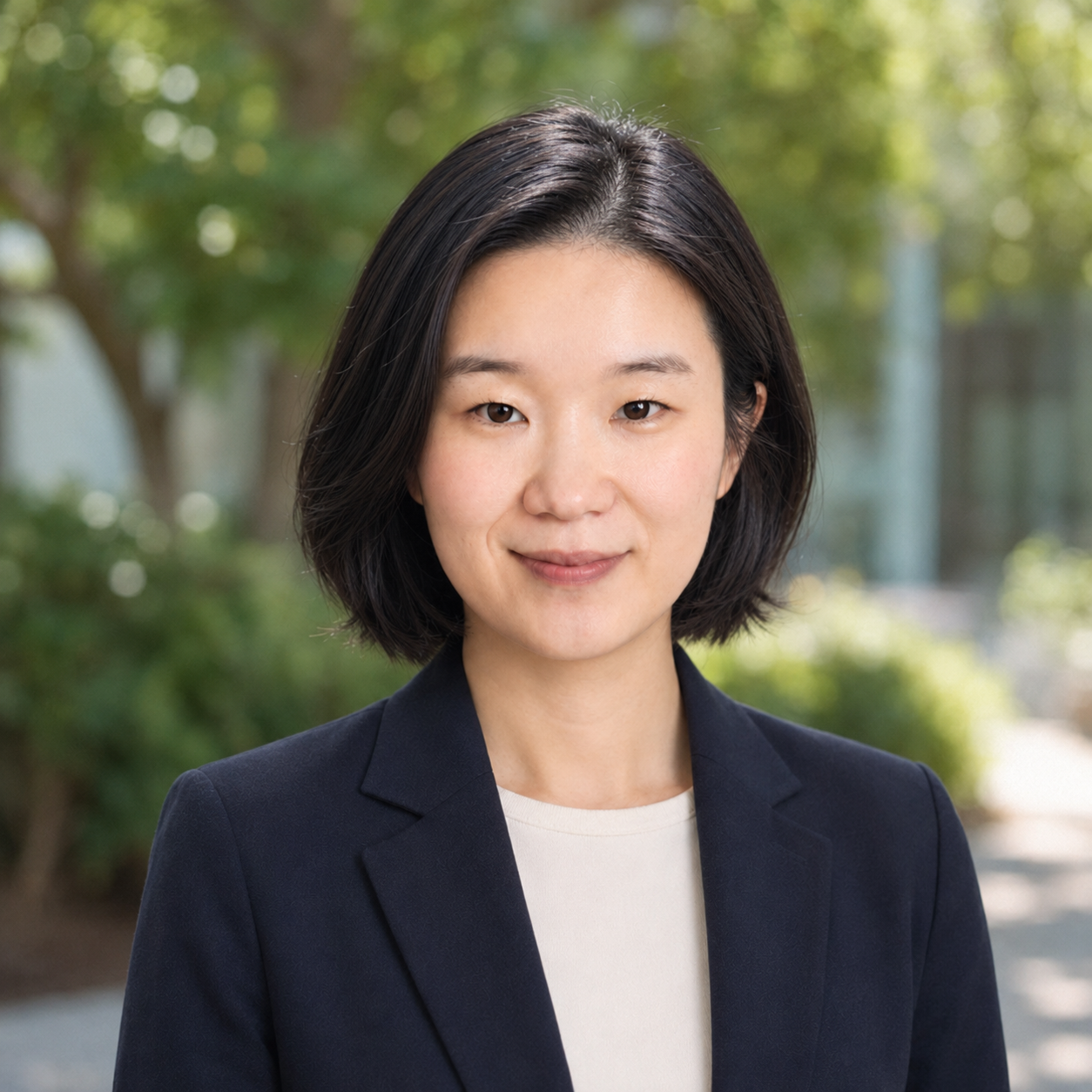
I'm Ahra Roh, a Functional Usability Specialist with a background in occupational science, neuroscience, and 14 years of clinical neuro-rehabilitation, plus ATP certification. My work has always been reading how a whole person — body, nervous system, attention — engages with a tool to get something done. 안녕하세요, ADL Lab 대표이자 기능적 사용성 전문가(Functional Usability Specialist) 노아라입니다. 저는 학부에서 신경과학(Neuroscience)을, 대학원에서 작업과학 및 치료학(Occupational Science & Therapy)을 전공하였으며, 14년간 쌓아온 신경재활 임상 경력과 미국 RESNA 공인 보조공학전문가(ATP) 자격을 보유하고 있습니다. 저의 전문성은 언제나 인간의 신체, 신경계, 그리고 주의력이 특정 목적을 달성하기 위해 도구와 어떻게 상호작용하는지를 정교하게 진단하는 데 있습니다.
I founded ADL Lab to bring that lens to everyday products: not the ones built for disability, but the ones everyone uses. By product I mean anything a person operates to get something done, whether physical, digital, or spatial. 이러한 고도의 임상적 통찰을 일상적인 소비재와 결합하기 위해 ADL Lab을 설립했습니다. 특정 환경을 위한 보조 기기를 넘어, 누구나 매일 사용하는 보편적인 제품의 사용성을 혁신하는 것이 제 목표입니다. 물리적인 하드웨어, 디지털 인터페이스, 공간 경험에 이르기까지 사용자가 목적을 가지고 조작하는 모든 영역이 저의 컨설팅 대상입니다.
Based in Los Angeles. Bilingual in Korean and English, and set up to work remotely with teams in both markets. 현재 미국 로스앤젤레스(LA)를 거점으로 활동하고 있으며, 한국어와 영어 이중언어(Bilingual) 역량을 바탕으로 글로벌 및 국내 비즈니스 팀들과 긴밀한 원격 협업을 진행하고 있습니다.
- 01 14+ years of clinical practice in neuro-rehabilitation and human performance. 신경재활 및 인간 수행(Human Performance) 분야 14년 이상의 임상 경력
- 02 OT / ATP at Santa Monica College Current Santa Monica College 소속 OT / ATP 현직
- 03 Adjunct Faculty at Santa Monica College Current Santa Monica College 겸임 교수 현직
- 04 Founder, ADL Lab ADL Lab 창립자 및 대표
- 05 RESNA Certified ATP 미국 RESNA 공인 보조공학전문가 (ATP)
- 06 M.A. in Occupational Science & Therapy, USC 남가주대학교(USC) 작업과학 및 치료학 석사
- 07 B.A. in Neuroscience, USC 남가주대학교(USC) 신경과학 학사
06 · Contact 06 · 문의하기
If your team is building something people use, let's start a conversation. 사용자의 일상과 맞닿아 있는 훌륭한 프로덕트를 만들고 계신다면, 그 경험을 한 차원 높이기 위한 비즈니스 대화를 제안합니다.
I'm open to product conversations, guest lectures, workshops, and research collaboration. The best fit usually becomes clear through a first conversation. 제품의 기능적 사용성 컨설팅부터 초청 강연, 사내 워크숍, 리서치 협업 등 다양한 형태의 파트너십에 열려 있습니다. 부담 없는 첫 만남을 통해 귀사의 팀에 가장 완벽한 시너지를 낼 수 있는 방안을 찾아보시기 바랍니다.